Call Us +1 437 290 8090

Ants
Ants are an extraordinary example of nature’s long-term success — they dominate life on land in both numbers and influence. These tiny insects have existed for over 100 million years, persisting through mass extinctions and dramatic shifts in Earth’s climate and ecosystems.
Their evolution has been slow and steady, fine-tuned by time rather than radical change. Living in tight-knit colonies and always acting in unison, ants embody the power of cooperation and collective purpose.
It's this relentless teamwork, adaptability, and scale that make them such a challenging nuisance for humans. Some species native to Australia show especially unique traits and behaviors that set them apart. Let’s explore what drives these tiny engineers of the natural world — and why they’re so hard to ignore!
Common Ants in Canada
Provide a general summary of the services you provide, highlighting key features and benefits for potential clients.
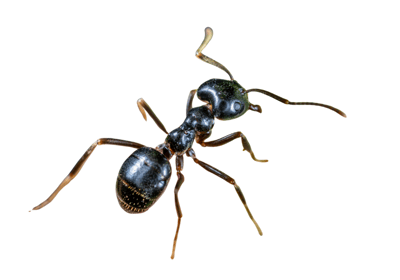
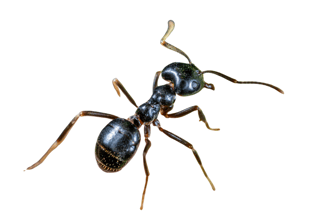
Carpenter Ant (Camponotus spp.)
Habitat: Prefers moist, decaying wood in forests or buildings. Often found in wall voids, roof beams, window frames, and decks.
Diet: Sugary substances like honeydew, plant juices, and protein sources such as dead insects.
Size & Shape: Large ants—6 to 13 mm. Black or reddish-black with a smoothly curved thorax.
Pest Status: Major structural pest. Carpenter ants do not eat wood, but they excavate galleries inside it to nest. Over time, this tunneling can weaken support beams, compromise insulation, and cause costly damage to homes if infestations are left untreated.
Pavement Ant (Tetramorium immigrans)
Habitat: Nests under sidewalks, driveways, patios, and building foundations.
Diet: Omnivorous—feeds on grease, sweets, seeds, and dead insects.
Size & Shape: Small—2.5 to 4 mm, dark brown to black with visible grooves on the head.
Pest Status: Nuisance pest. While they don’t destroy structures, they invade homes in large numbers, especially in kitchens and pantries, contaminating food and being difficult to fully eliminate without treatment.
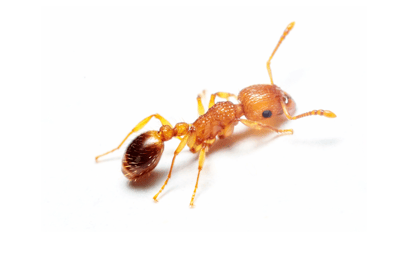
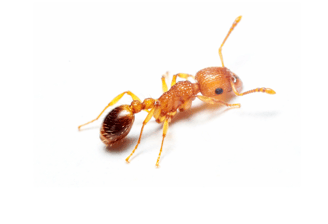
Habitat: Found almost exclusively indoors in Canada. Prefers warm, moist places like kitchens, hospitals, and electrical outlets.
Diet: Eats almost anything—sweets, grease, dead insects, even toothpaste.
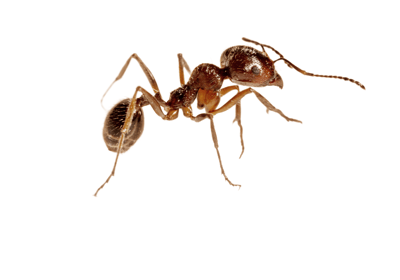
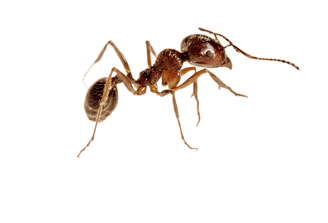
Size & Shape: Tiny—1.5 to 2 mm, yellow to reddish body with darker abdomen.
Pest Status: Major indoor pest. Very hard to eliminate because of multiple queens and satellite nests. In places like hospitals, they can spread pathogens and contaminate sterile environments. Standard pesticide sprays may cause colonies to scatter and multiply.
Pharaoh Ant (Monomorium pharaonis)
Preventing Ants from Entering Your Home
Ants are opportunistic, and even a few crumbs can attract their attention. To reduce the chances of an invasion:
Seal cracks and crevices around doors, windows, and foundations.
Repair leaky pipes or faucets—ants need water just as much as food.
Store all food in airtight containers, and wipe down surfaces regularly.
Trim back vegetation that touches your house to reduce bridge access.
Want to make your home less attractive to ants? Check out our full guide to ant-proofing your home.
Dealing with Ants Indoors
If ants have made their way inside, the kitchen and bathroom are usually the first places they’ll settle. Start by following their trail to find out if they’re coming from an indoor nest or entering from outside.
Clean any food spills or sticky residues that may be drawing them in. To disrupt their scent trails, try wiping the area with a solution of vinegar and water—this masks the chemical signals ants leave behind, making it harder for others to follow.
Curious about DIY remedies? Explore our guide on homemade ant traps and safe indoor control techniques.
Eliminating Ants in the Yard or Garden
Ants can just as easily become a problem outside. When colonies take root in your lawn, flower beds, or patio, they can be challenging to remove. The most effective strategy is to target the nest directly.
Some natural options include:
Pouring boiling water into the nest entrance.
Spraying a mixture of soap and water.
Using a citrus-based repellent or strong-smelling herbs.
Filling the nest with a nontoxic adhesive like diluted glue.
To maximize effectiveness, treat nests during cooler hours—early morning or evening—when most ants are inside.
Need a step-by-step solution? Read more on natural and chemical options for removing outdoor ant colonies.
How to Handle Ants in Your Car
Finding ants in your car is unpleasant but not uncommon. This often means they’ve located crumbs, food wrappers, or moisture—or the vehicle was parked near an active colony.
If the ants are only scouts, they may disappear after failing to locate a consistent food source. However, if ants continue to appear, thoroughly vacuum the interior and clean all surfaces, especially under seats and floor mats.
Worried it’s more than just a few stray insects? Learn how to fully eliminate ants from your car.
Steps to Take During an Active Infestation
When dealing with a full-blown infestation, it’s important to act quickly and methodically:
Keep all pantry items sealed in durable containers.
Identify and eliminate attractants, such as exposed food or dripping pipes.
Clean floors and surfaces regularly to erase scent trails.
Monitor activity to locate nests and entry points.
If home remedies don’t solve the issue, it may be time to bring in licensed professionals who specialize in ant control. A trained technician can identify the species, locate nests, and apply targeted treatment safely.